
Table of Contents
As the day ends, you might be looking for the best way to relax — whether it’s watching a live football match, a new series, or your favourite film.
But with so many options available, choosing between IPTV and traditional cable in the UK can be confusing.
In this guide, we compare IPTV vs Cable UK in 2026 to help you understand which option delivers better value, flexibility, and streaming quality.

Key Takeaways
- IPTV offers flexibility that traditional cable may not provide.
- Costs can vary significantly between IPTV vs cable UK options.
- Channel availability is a critical factor to consider in your decision.
- Understanding performance and reliability is essential for a seamless viewing experience.
- IPTV advantages include on-demand content and multi-device support.
Looking for a modern IPTV solution in the UK?
Flixe4k offers affordable plans, stable streaming, and wide channel access.
Introduction to IPTV and Cable Services
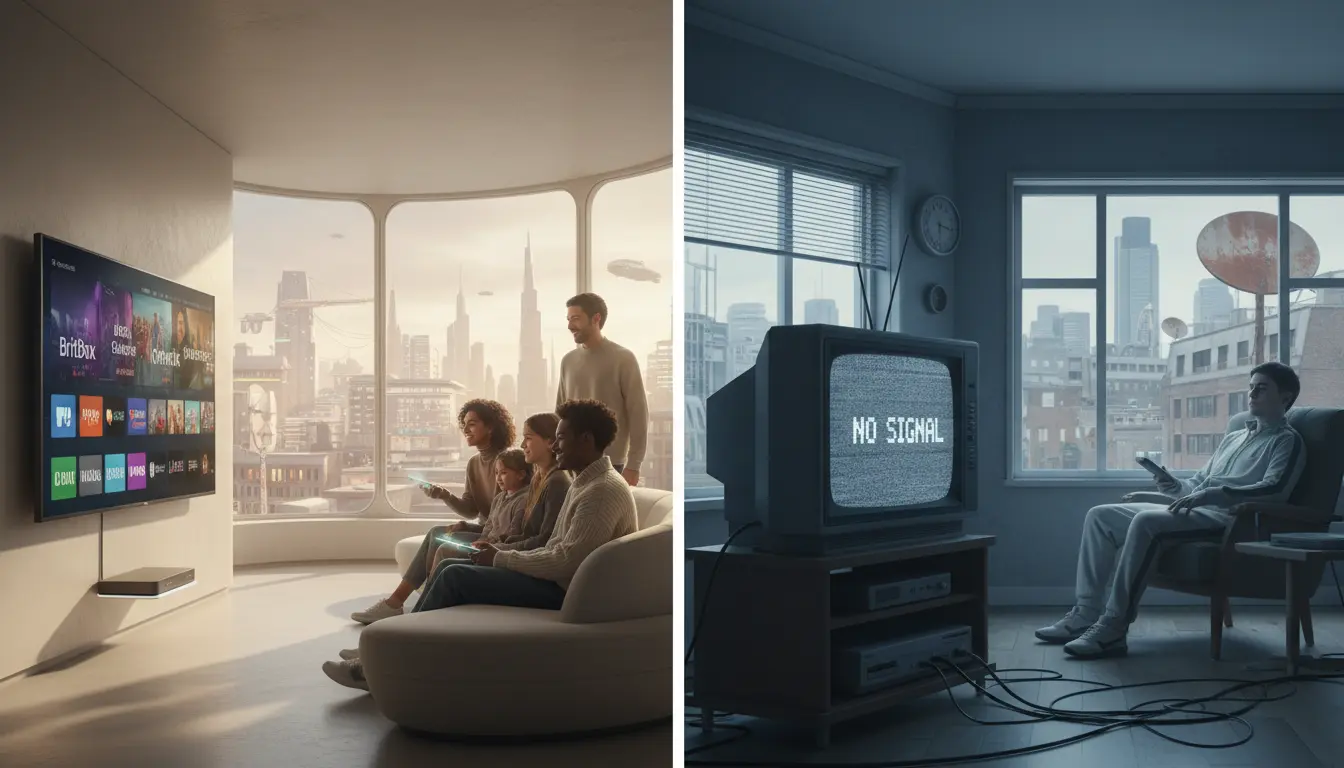
In the UK, IPTV and cable services are two different ways to watch TV. IPTV uses the internet to stream shows directly to your devices. It’s flexible and lets you watch what you want, when you want, on many devices.
Cable services, on the other hand, use physical cables to send TV signals. They’ve been the main way to watch TV for a long time. But, they’re not as flexible as IPTV, which is why more people are choosing IPTV.
This change shows how TV watching habits are changing. It’s all about streaming services now. Knowing the good and bad of IPTV and cable services will help you choose what’s best for you.
Understanding the basics of IPTV
IPTV is changing how we watch TV. It’s key to know the IPTV basics if you’re thinking about it. Unlike old TV ways, IPTV uses your internet. It brings channels and shows right to your devices smoothly.
Understanding IPTV means seeing TV as data packets. These packets go over the internet. So, you can watch on smart TVs, laptops, and tablets. This makes watching TV flexible and fun.
IPTV services offer flexible plans, no long contracts needed. They also have lots of channels. This makes IPTV a great choice over traditional TV. As you learn more, you’ll see how it meets different needs, making TV better for everyone.
Traditional Cable TV in the UK: An Overview
Traditional cable TV is a big deal in the UK, even with streaming services getting more popular. Many cable providers offer different packages to suit everyone’s tastes. Virgin Media, Sky, and BT are among the most well-known, each with their own channels and special features.
Cable services in the UK usually come with fixed channel packages that require a contract lasting 12 to 24 months. This can make costs go up over time, so it’s important to think about the long-term cost. While cable TV is reliable, it has some downsides.
One big problem with traditional cable TV is its limited on-demand content. Unlike streaming services, cable TV sticks to a set schedule. This means you can’t watch what you want when you want, which can be frustrating.
As people’s viewing habits change, traditional cable TV is becoming less appealing. More and more viewers want control over what they watch. The entertainment world is changing fast, and cable providers need to keep up or risk losing customers.
Cost Comparison: IPTV vs Traditional Cable
When looking at TV services in the UK, cost is key. IPTV and traditional cable have different prices. Knowing these costs helps you choose wisely.
Traditional Cable Costs
Traditional cable in the UK costs between £40 and £50 monthly. This includes extra fees for hardware, installation, and premium channels. Prices can rise after promotions end, causing customer frustration.
Many now look for clearer and more stable pricing options.
IPTV Costs
IPTV is a cheaper choice for viewers. Services like Flixe4k.com offer packages under £10 monthly. This is cheaper than traditional providers and doesn’t include hardware costs.
Many IPTV services also offer flexible subscription lengths. This makes them great for those watching their budget. Think about how IPTV fits your viewing and financial needs.
Channel Availability: What You Get
When choosing between IPTV and traditional cable, knowing the channel differences is key. Your viewing preferences will help decide which service is best for you.
Channels on Traditional Cable
Traditional cable offers popular channels like BBC, ITV, and Sky Sports. These networks cover many genres, from news to entertainment. But, premium channels often cost extra, increasing your bill.
Channels on IPTV
IPTV, on the other hand, has a wider range of channels. It includes local, national, and international options. You can find everything from niche sports to cultural content. This variety is a big plus when looking at channel choices.
Flexibility and User Experience
In the debate between IPTV and traditional cable services, flexibility is key. It shapes how you enjoy your favourite content. Knowing the differences can make a big difference.
Traditional Cable Flexibility
Traditional cable services have their limits. Fixed contracts can make it hard to change plans. You must watch shows at set times, and extra fees for on-demand content can limit your choices.
You also need specific devices and setups. This can limit when and how you watch entertainment.
IPTV Flexibility
IPTV boosts viewer flexibility. It lets you stream content on many devices, fitting modern life. You can pause, rewind, or watch on-demand anytime, making it your own.
This flexibility improves convenience and offers a great user experience. It meets different tastes and schedules.
Performance and Reliability of Streaming Services
In the world of entertainment, both IPTV and traditional cable have made their mark. Discussing the performance and reliability of these services can help you make an informed choice for your streaming needs. Understanding the distinctions allows for a better appreciation of what each offers in terms of viewing experience.
Reliability of Traditional Cable
Traditional cable generally benefits from established infrastructure, contributing to its recognised cable reliability. This robustness often leads to predictable service. Yet, outages can occur, mainly during bad weather or maintenance. The quality of service can also change due to signal strength and equipment.
So, while cable is dependable, it’s not completely free from disruptions.
Performance of IPTV
IPTV has gained traction thanks to advances in broadband technology, enabling improved streaming performance.Top IPTV providers like Flixe4k , offer HD and 4K streaming capabilities that enhance viewing pleasure. Selecting reputable providers ensures greater IPTV reliability.
Minimal buffering interruptions and strong uptime are critical, mainly during peak hours when demand spikes. This ensures that the viewing experience remains seamless and enjoyable, appealing to those who desire high-quality content without interruptions.
For example, Flixe4k uses high-performance servers and optimised streaming technology to ensure smooth playback, even during peak hours such as live sports events.
| Feature | Traditional Cable | IPTV |
|---|---|---|
| Reliability | High, but subject to weather-related outages | High, but depends on broadband quality |
| Streaming Performance | Variable based on signal strength | Consistent with broadband, supports HD and 4K |
| Equipment Requirement | Set-top box needed | Internet-enabled device required |
| Flexibility | Less flexible, fixed contracts | Highly flexible, often no contracts |
Legal and Content Licensing Considerations
Exploring IPTV and cable services means understanding IPTV and cable licensing. The legal rules for content delivery differ a lot between providers. IPTV gets its content from many channels, raising questions about licensing.
It’s key for you to check any IPTV service to make sure it follows the law. This affects how much content you can watch.
Traditional cable providers have stricter rules. They need the right licenses to show certain channels. This makes sure you get to watch legal content.
Not thinking about IPTV licensing can cause problems later. You might face issues with access or break copyright laws. Choosing providers that focus on legal content licensing helps keep your viewing safe.

Comparing IPTV vs Cable UK: Key Differences
The UK’s TV scene is changing fast, with big IPTV vs cable differences that meet different tastes. Cost is a big deal in this UK television comparison. IPTV is cheaper than cable, with flexible plans that fit your viewing and budget.
Choosing channels is another key area. Cable has fewer channels, often in packages you might not want. IPTV, on the other hand, lets you pick what you want to watch, making it easier to find your favourite shows.
How you watch TV matters too. Cable can feel old-fashioned because it relies on physical cables. IPTV offers a newer way to watch, with on-demand shows, streaming on different devices, and more. It’s perfect for today’s viewers who want ease and choice.
When it comes to watching, both cable and IPTV have their strengths. Cable’s streaming quality is usually good because of its strong networks. But IPTV’s quality can change based on your internet. Yet, new tech is making IPTV more reliable, giving it a strong challenge.
Knowing the IPTV vs cable differences helps you choose what’s best for you. It’s all about what you like to watch, how you like to watch it, and what you can afford.
IPTV Advantages and Emerging Trends
IPTV services are becoming more popular, and for good reason. They offer big savings and more flexibility than traditional cable. As more people switch to IPTV, it’s key to know the latest trends to make the best viewing choices.
Want to experience IPTV benefits in real life?
Flixe4k provides high-quality streaming, flexible plans, and access to thousands of channels.
Cost Savings and Flexibility
IPTV is often cheaper than cable. Many providers have prices that are hard to beat. This means you can enjoy your favourite shows without breaking the bank.
Choosing no-contract plans adds to the savings. It lets you watch what you want, when you want, without being tied down.
Multi-Device Support and On-Demand Content
IPTV works on many devices. You can watch on your smart TV, tablet, or phone. This makes it easy to watch anywhere, anytime.
The demand for on-demand content is growing. This means you can find and watch what you want, without waiting for broadcast schedules.
Final Thoughts on IPTV vs Cable UK in 2026
The future of streaming in the UK looks promising, with more people turning to IPTV. They want flexibility and a wide range of content. This makes traditional cable services seem outdated.
Technology is key in this change. Better internet and smart devices make IPTV easy to use. This is why IPTV is becoming more popular.
When choosing, remember IPTV might soon be the better choice. It offers good value, lots of channels, and is designed for users. Watching these trends can help you decide what’s best for you.
Conclusion
When comparing IPTV vs Cable UK in 2026, IPTV clearly stands out as the more flexible, affordable, and future-proof option.
With lower costs, better device compatibility, and access to on-demand content, IPTV continues to replace traditional cable services across the UK.
If you’re ready to upgrade your viewing experience, choosing a reliable provider is essential.
Flixe4k offers one of the best IPTV solutions in the UK with stable performance, competitive pricing, and a wide range of channels.
What is IPTV and how does it work?
IPTV, or Internet Protocol Television, uses your internet to stream content to your devices. It’s more flexible than traditional cable services.
How does IPTV differ from cable television?
IPTV streams over the internet, often with no contracts. It offers more channels and flexibility. Cable TV uses cables and has fixed packages and contracts.
What are the costs associated with traditional cable services?
Cable TV in the UK costs between £40 to £50 monthly. You might also face extra fees and price hikes after promotions.
Are IPTV services more cost-effective?
Yes, IPTV is cheaper, with monthly rates under £10. It offers flexible plans without long-term commitments.
What channels are available on IPTV versus traditional cable?
Cable TV has mainstream channels. IPTV has more, including local, national, and international shows. It also has sports and niche channels.
How does the user experience differ between IPTV and cable?
IPTV lets you watch on many devices and anytime. Cable TV has fixed contracts and schedules.
Is IPTV reliable for streaming content?
IPTV is reliable, thanks to fast internet. Choose reputable providers for less buffering and uptime.
What legal considerations should users be aware of when choosing IPTV?
IPTV’s content licensing is complex. Choose legal providers to avoid future issues.
What advantages does IPTV offer over traditional cable in 2026?
IPTV saves money and offers flexible plans. It supports multiple devices and has lots of on-demand content. It’s a modern, convenient choice.